Design-to-

Fabrication

B+G Digital helps clients turn design into a finished product through a seamless, controlled pipeline. We automate production and the services that support it, engineering algorithmic workflows for robotic and additive manufacturing that bridge industrial-scale robustness with part-by-part precision, all delivered through intuitive, captivating interfaces. The result: customisation as efficient as mass production, across construction, medical technology, manufacturing, mobility, and consumer goods.

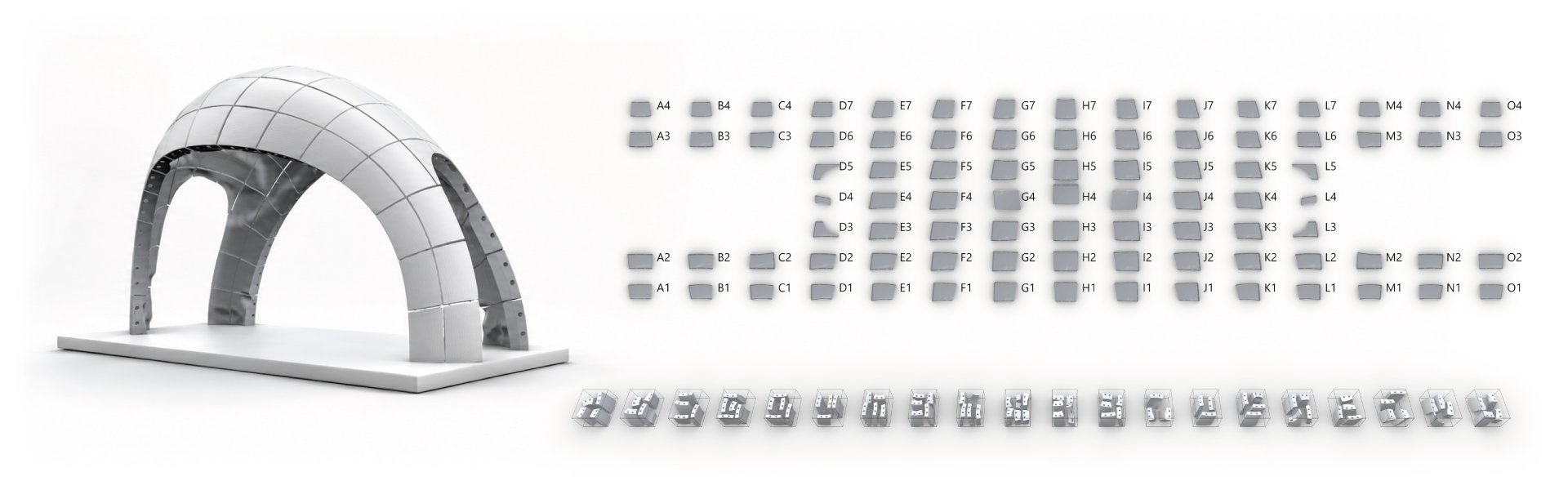
Binder-jetted shell demonstrator developed in the SupLeicht project for BAM: unrolled modules shown on the right, with fabrication clusters below
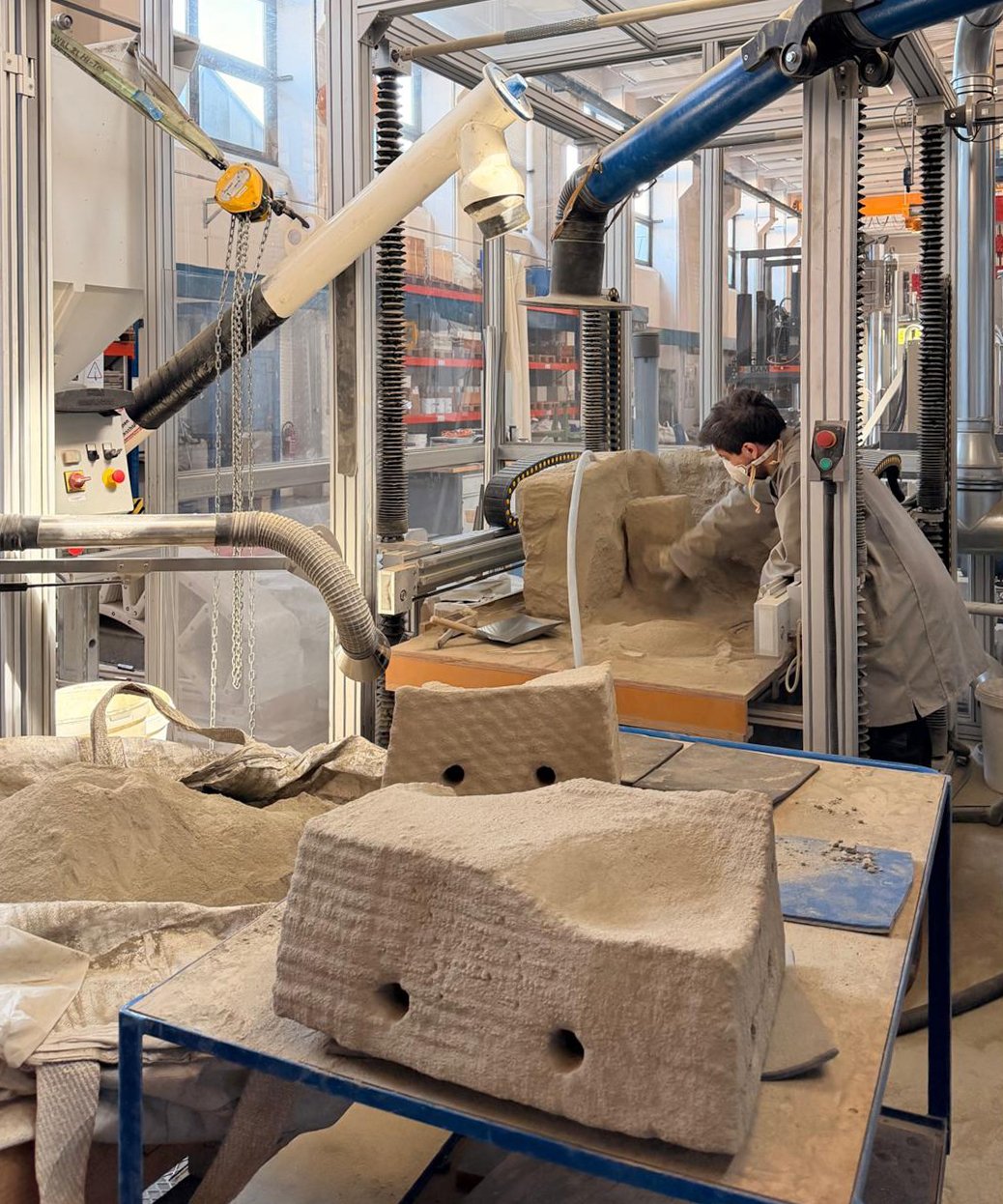
Fabricated modules with internal cavities to minimise material and overall weight
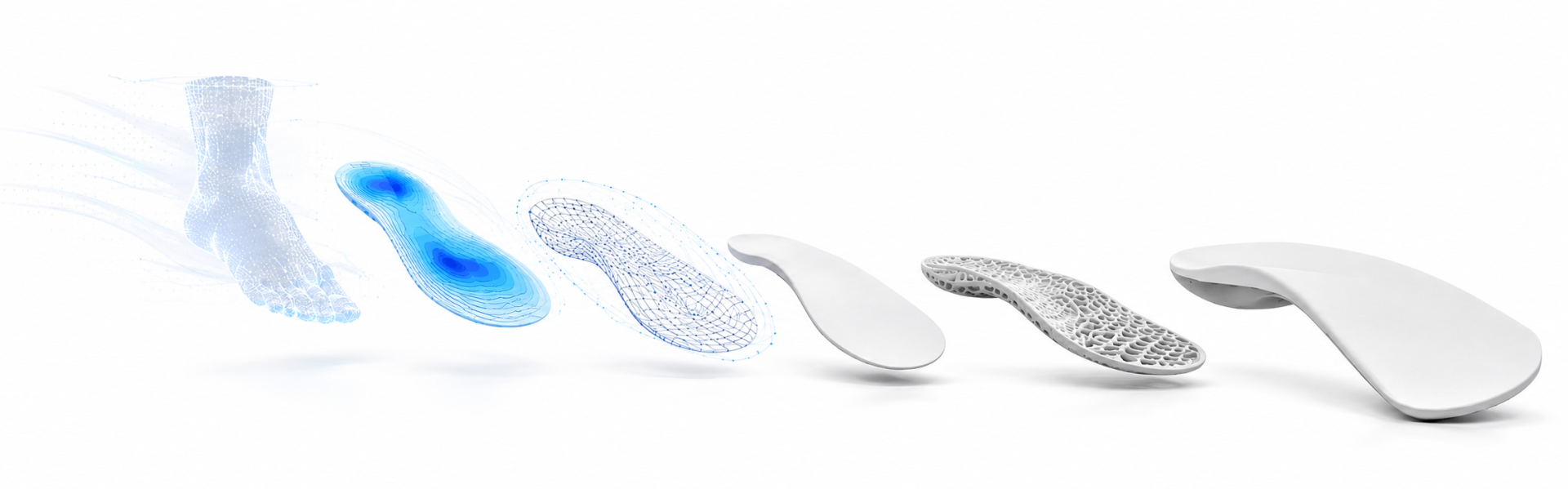
Algorithmic Design-to-Fabrication Pipeline

We engineer the entire workflow to deliver value from the first design parameter to the final production-ready detail. Adjust a single input, and the whole design regenerates in seconds: geometry, structure, optimisation, and fabrication data, all resolved together. This is the discipline of algorithmic design: complex modelling and multi-criteria optimisation, defined once and reproducible without limit.

Our demonstrator at the Bundesanstalt für Materialforschung und -prüfung (BAM) in Berlin embodies this principle. From a single algorithm, the project propagates from design to optimised modules, from reinforcement-bending machine code to the production layouts and CNC files for the formwork. Realised through particle-bed printing, it delivers practical outcomes in a deeply interdisciplinary endeavour in which computation, structure, and fabrication are resolved as one.

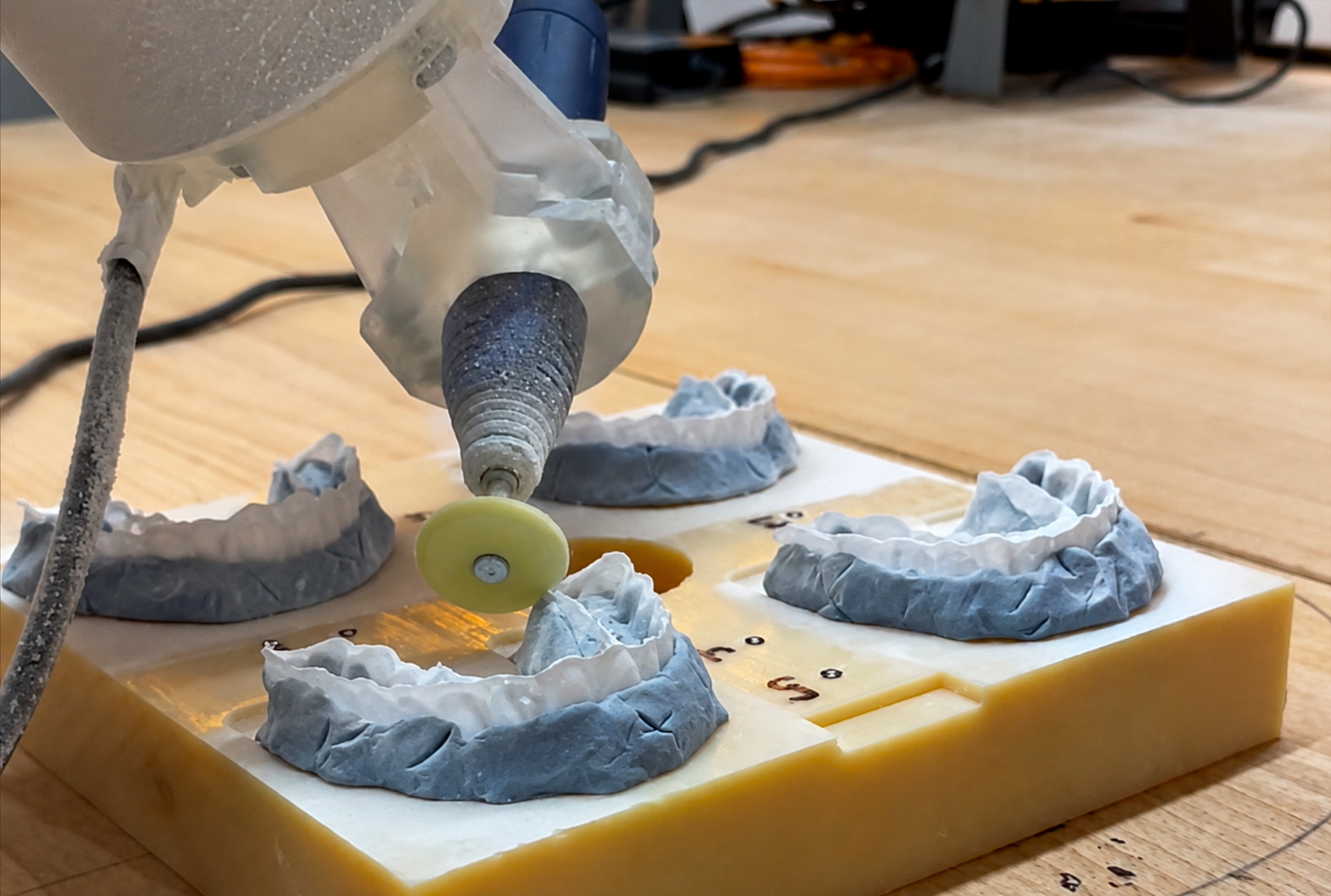
Robotic post-processing of 3D-printed dental models, achieving sub-millimetre precision through responsive edge detection
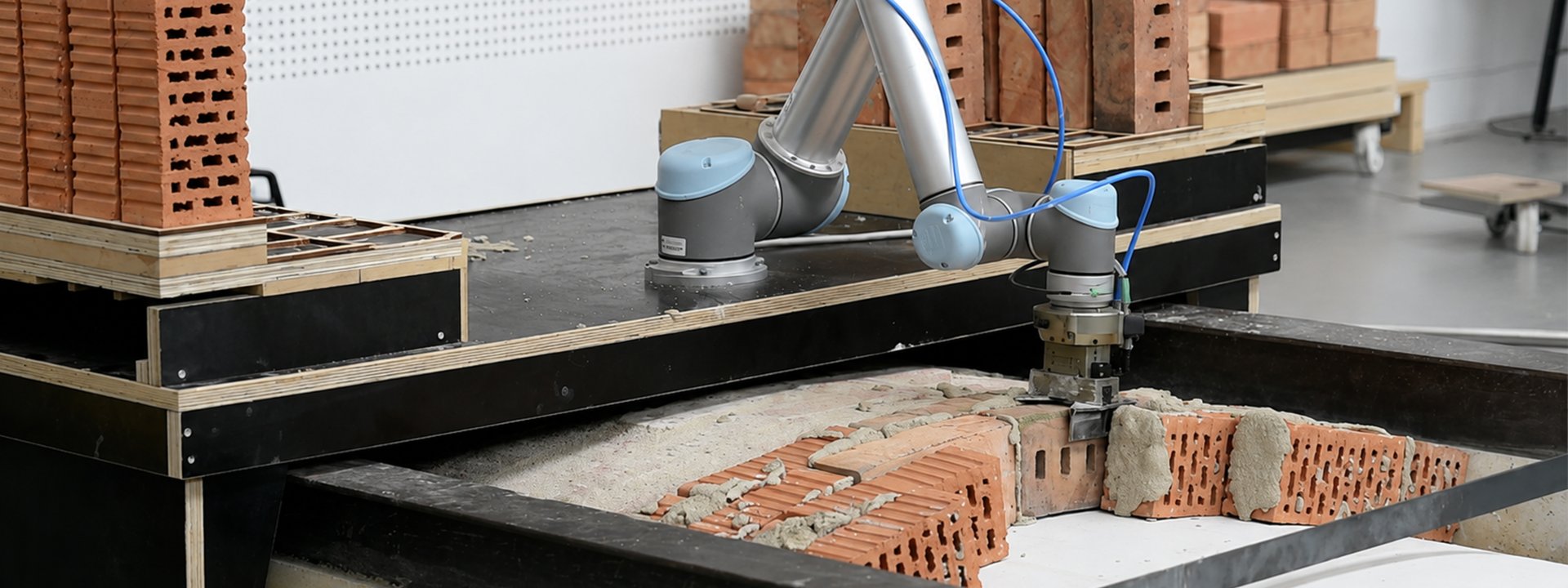
Medtech: Scalable and Patient-Specific Solutions

In medical technology, customisation is not a feature; it is a clinical requirement. We build software that helps clients generate and manufacture patient-specific products from individual data or 3D scans, translating each anatomy into a finished device that meets exacting medical specifications. Every output is unique to the patient, yet produced with the consistency and reliability of a standardised process.

We provide the software and the engineering beneath it, not the medical production itself. To align these pipelines with clinical need, we partner with field experts who guide development in line with medical practice specifications and standards.

Robotic assembly of masonry cap-vault ceilings to enable complex, previously labour-intensive geometries
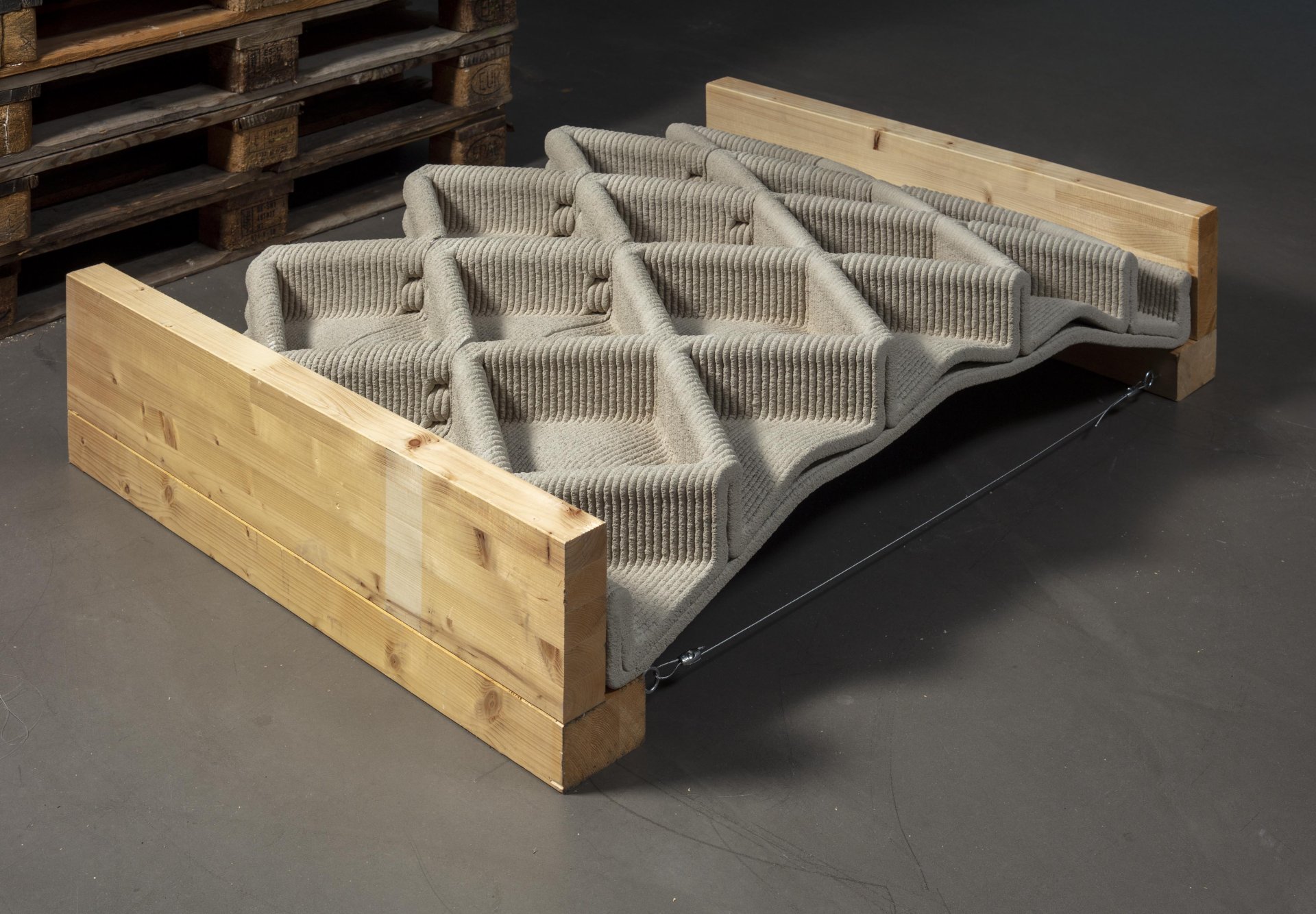
A 3D-printed concrete cap-vault ceiling uses ribbed geometry to reduce material use, with integrated cavities for improved acoustic and thermal performance © Ludger Paffrath
Robotic Assembly and Manufacturing

Robotic fabrication is as much a question of control as of hardware. We hold deep expertise in directing robots and machinery for assembly and manufacturing, supported by our own software, across every scale, from large-scale construction to sub-millimetre precision.

This is supported by our experience in robotic assembly and fabrication, as well as our team’s extensive research and publications. It also extends to our own patented additive-manufacturing methods for functional integration.

Dynamic software applications and algorithmic modelling allow us to overcome conventional production constraints. In contrast to slow, manual programming and code-heavy workflows, we create intuitive UI/UX interfaces that make robotic systems easier to control, adapt, and operate. This translates design intent into flexible, automated fabrication processes, enabling advanced production to be faster, more accessible, and scalable.

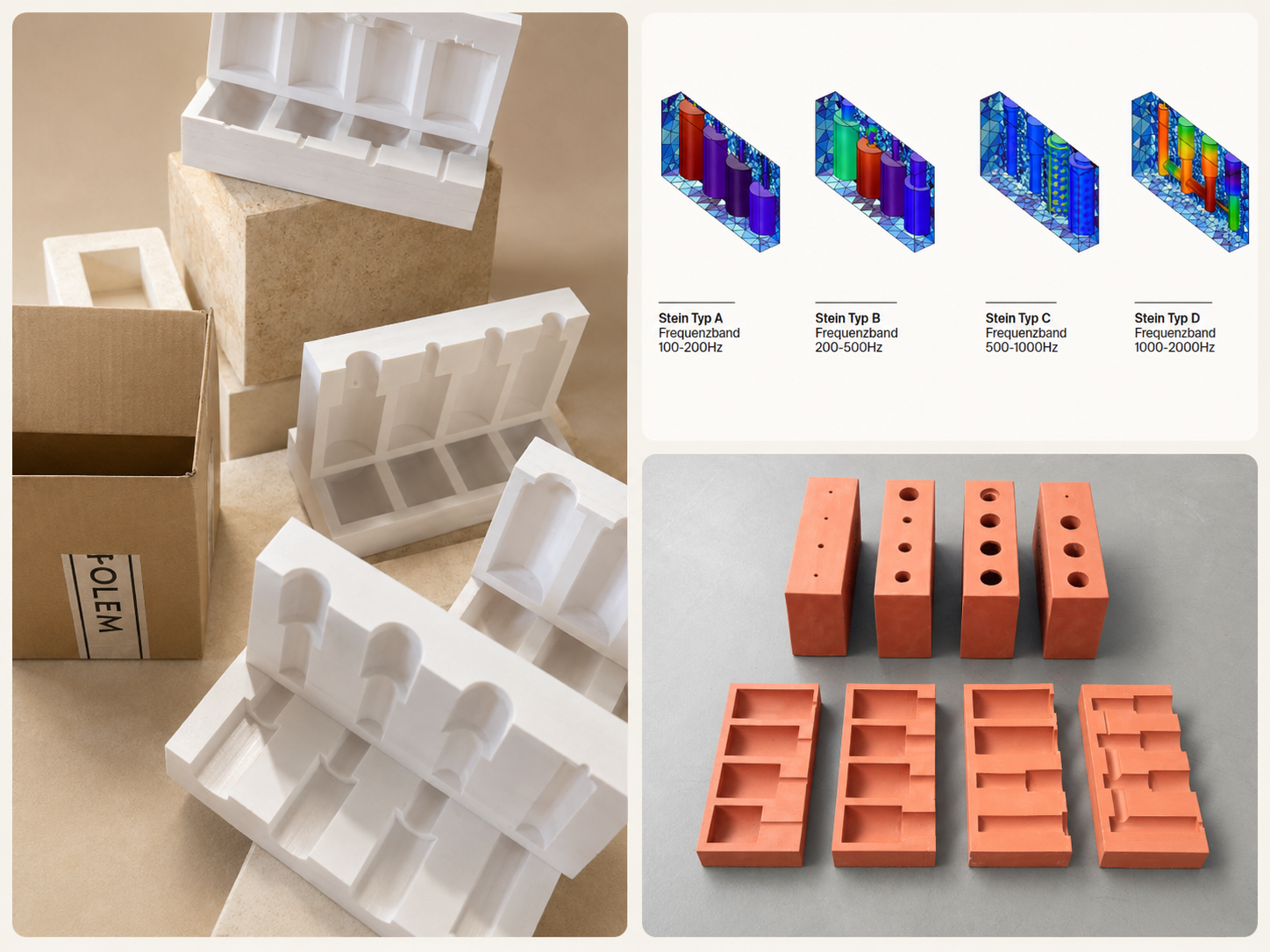
3D-printed modules integrating Helmholtz resonators into modular construction elements (patented process)
Additive Manufacturing and Rapid Prototyping

Efficiency begins in the print path. We develop our own print-path generation methods that help clients achieve up to 50% more efficient results than conventional infill structures, saving material and time alike, with no compromise to strength or precision.

Our large-scale pellet printers extend this capability to size, helping clients produce large-format prototypes on commission, where the economy of pellet feedstock meets the freedom of additive fabrication.

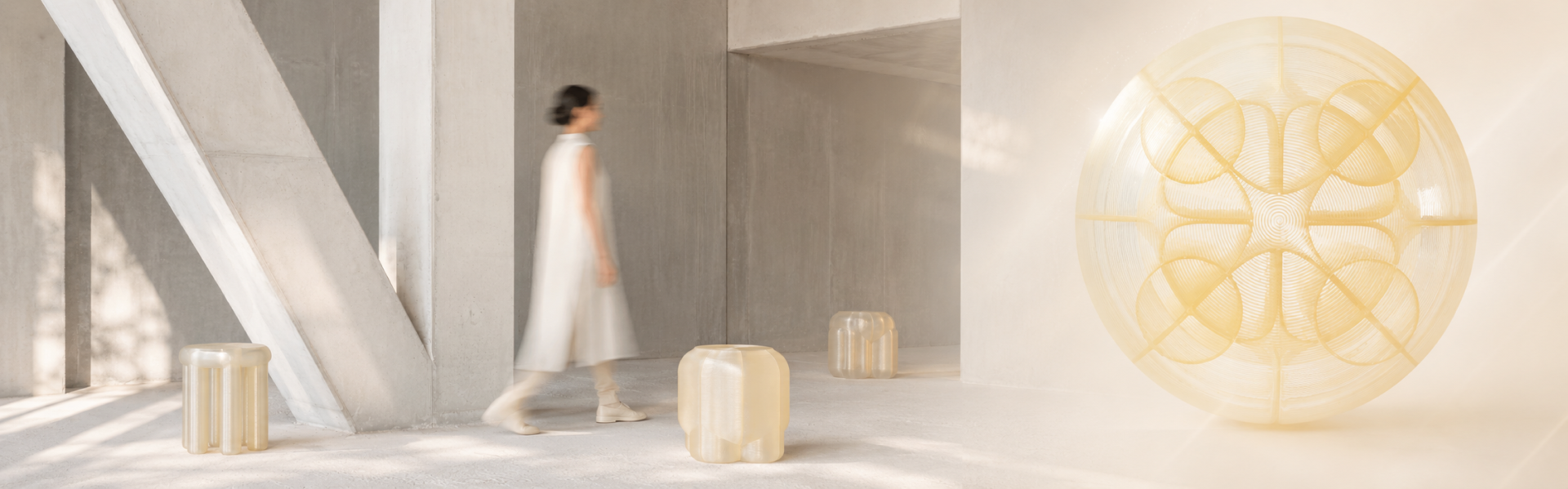
In our collaboration with Jelly, a start-up and pioneer of new design aesthetics in thermoplastic 3D printing, we unite technological depth with creative ambition. With our own software and design, we help clients prototype at the state of the art, from the first idea to the finished product.

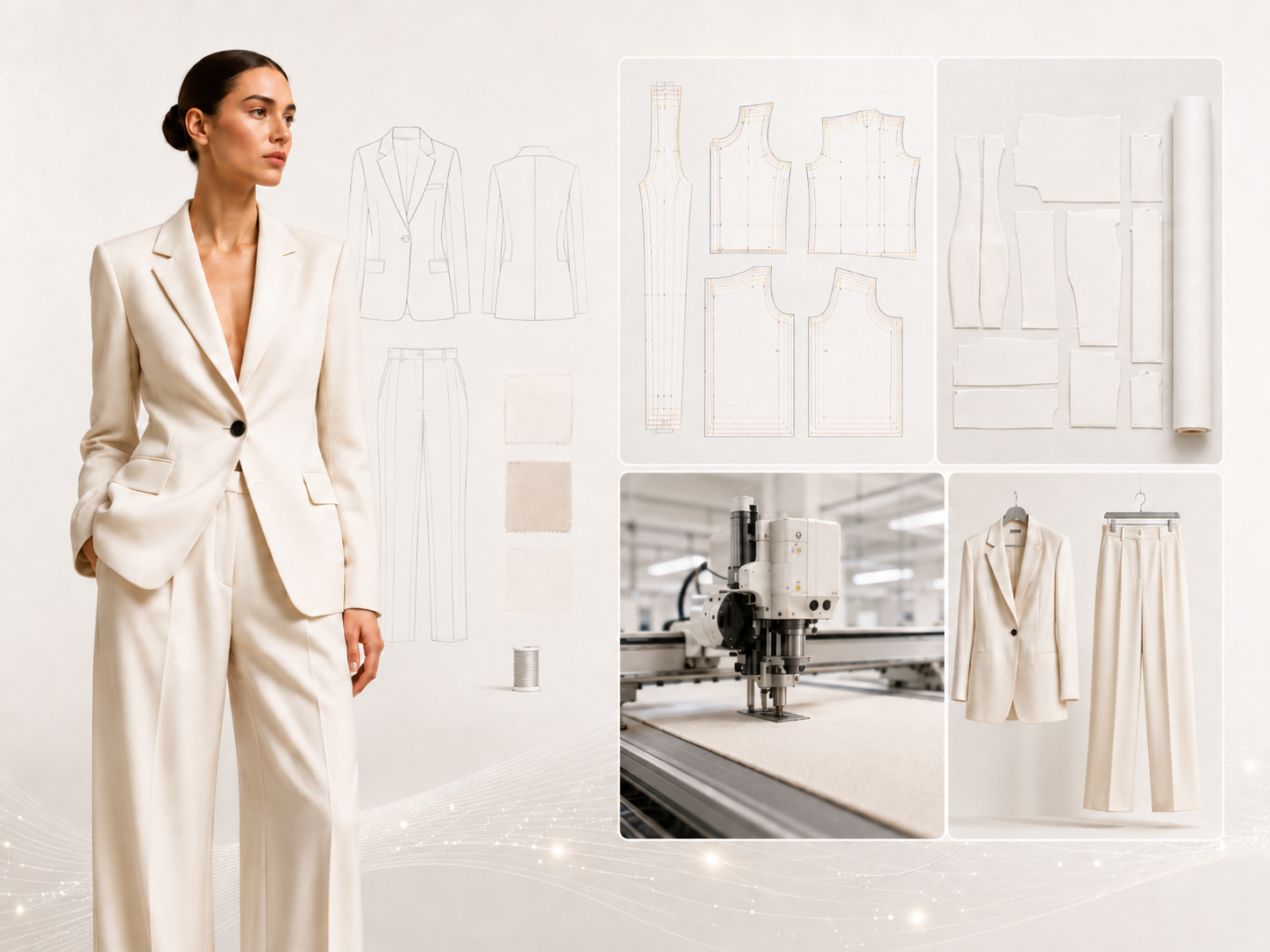
Automated pipeline for custom textile applications, from design to fabrication
Automation and Interoperability

Automation is most powerful when it removes the intermediary altogether. We build pipelines that generate services and reports directly, handling tedious, repetitive tasks across platforms, setups, and operating systems within a single workflow. Interoperability is the principle: disparate tools and environments made to act as one.

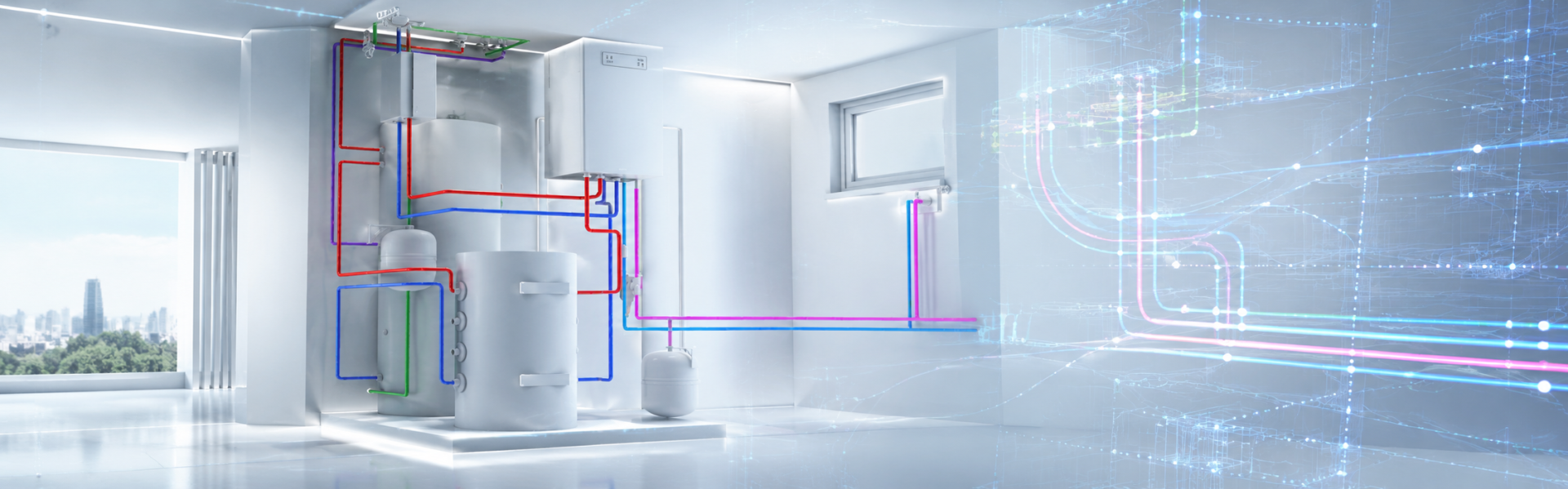
A tool we developed for BFC (Gesellschaft für Digitaldruck und Mediengestaltung mbh) demonstrates this approach. The algorithmic room planner helps clients generate spatial layouts and integrates automated 3D hydraulic routing within the same pipeline. This resolves architecture and building services together, automatically, where the two have traditionally been coordinated by hand.

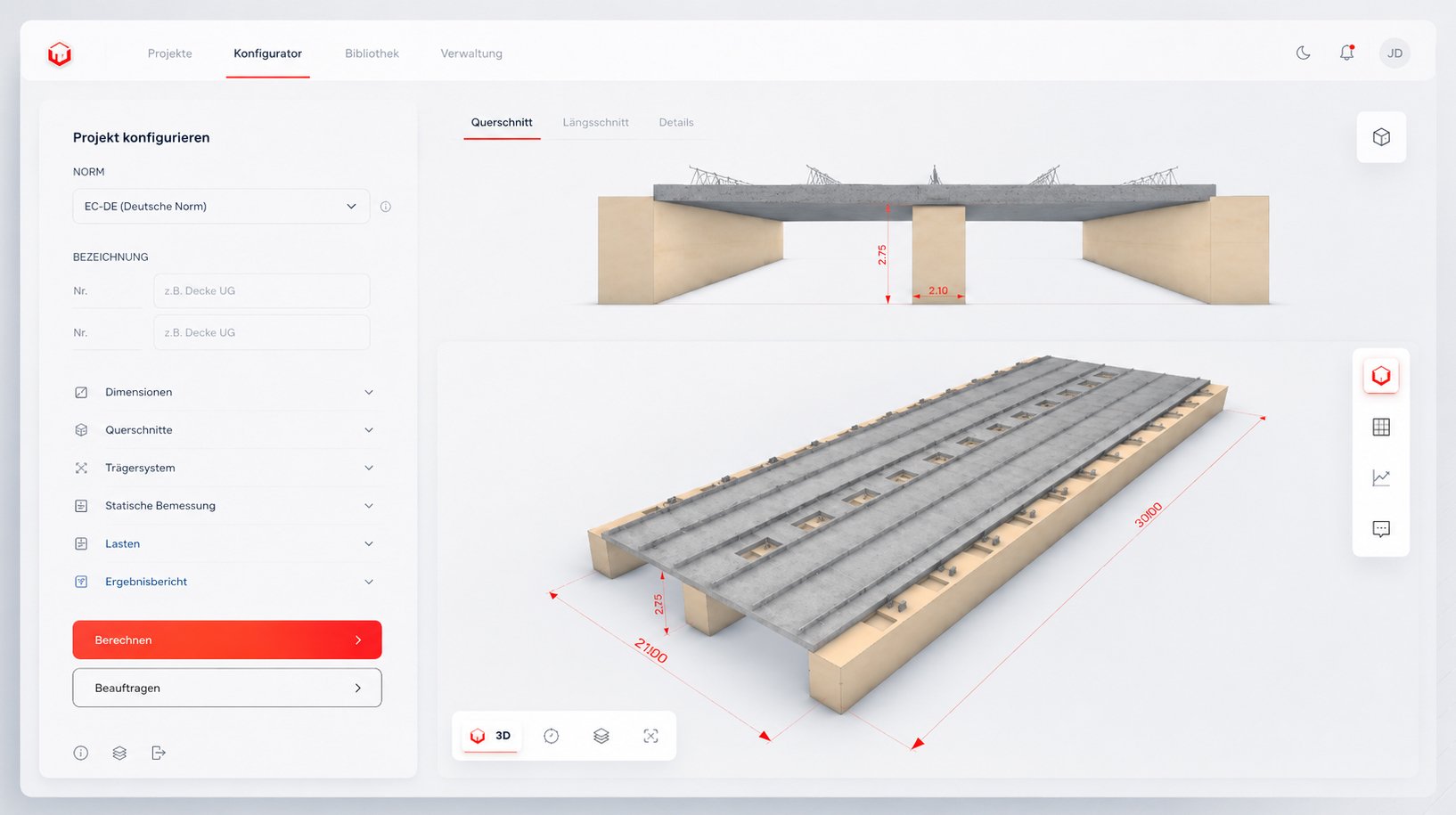
Software development for Filigran Trägersysteme GmbH: from design and structural analysis to fabrication

Agile Software Development

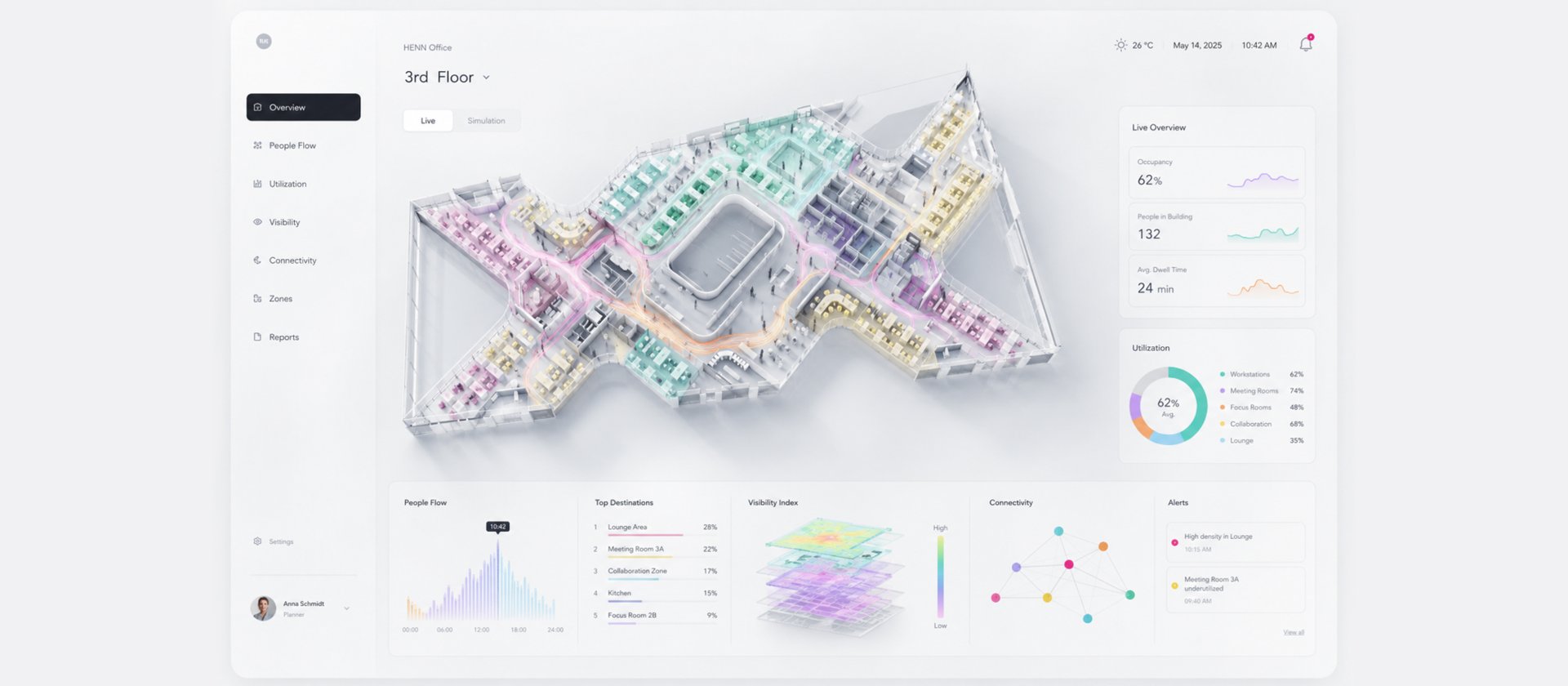
The most sophisticated pipeline is only as good as the interface that commands it. We build intuitive, highly engaging web applications and services, the layer through which complex computation becomes something one can see, explore, and direct with ease.